How Much Does a Storage Unit Cost in 2026? Prices by Size, Type and Location
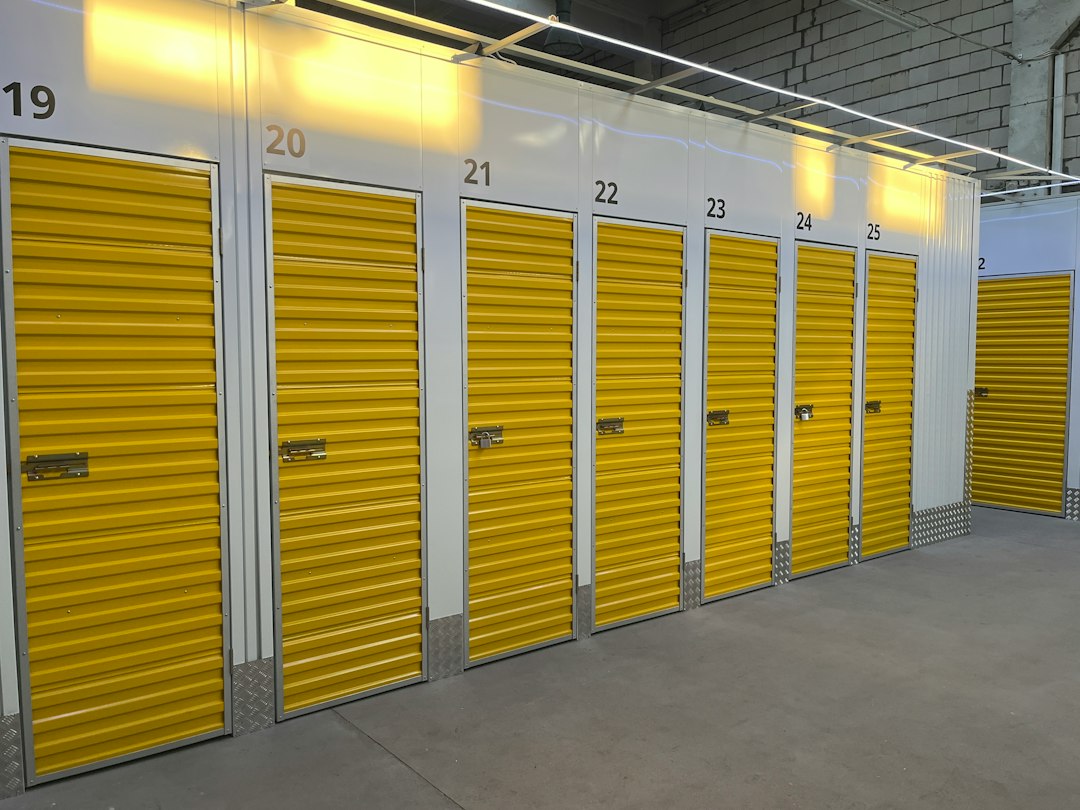
If you are staring at a pile of boxes and wondering how much does a storage unit cost, here is the short answer. For an initial budget, allow about $75 to $200 per month for a medium-sized standard self storage unit in the United States. A small closet-sized unit can run as low as $35, while a large unit in an expensive city can pass $300. These are planning figures, not current local quotes; dated operator benchmarks appear below.
That range is wide because storage is priced like real estate. Size, city, climate control and even the month you rent all move the number. This guide breaks down every part of the price so you can estimate your own bill before you call a single facility. We also cover the costs most price lists skip, plus what storage really costs when you are in the middle of an out-of-state move.
Quick Answer: Average Storage Unit Cost Per Month
Published data in 2026 points to a few useful anchors. SpareFoot reported a U.S. average of $74.98 for a 10×10 in February 2026, its lowest in five years. That is a dated marketplace benchmark, not an October quote. Extra Space Storage’s operator guide lists a standard 10×10 at $115; its size table is linked below. The numbers differ because each source measures different facilities and periods.
Here is how to read the standard-unit benchmarks in the operator table below:
- Small unit (5×5 to 5×10): about $35 to $60 per month in that table.
- Medium unit (10×10 to 10×15): about $115 to $150 per month in that table.
- Large unit (10×20 and up): about $204 to $290 per month for the 10×20 and 10×30 listed.
- Climate control: can cost more; compare the full quoted rent for the same size and location.
- Big metro areas: can cost substantially more; national figures are only a starting point.
Storage Unit Cost by Size
Size is a major driver of your monthly price. Bigger units cost more in total, but the price per square foot usually drops as the unit gets larger. For example, a 10×10 at $100 works out to $1.00 per square foot, while a 10×20 at $170 is about $0.85 per square foot.
| Unit size | Square feet | Standard monthly average* | What usually fits |
|---|---|---|---|
| 5×5 | 25 | $35 | Boxes, seasonal decor, a bike |
| 5×10 | 50 | $60 | Contents of a dorm room or small studio |
| 10×10 | 100 | $115 | One bedroom apartment, mattress and sofa |
| 10×15 | 150 | $150 | Two bedroom apartment |
| 10×20 | 200 | $204 | Two to three bedroom home |
| 10×30 | 300 | $290 | Four to five bedroom home, vehicles |
*Price source: Extra Space Storage’s standard-unit comparison table, checked October 9, 2026 (page updated October 8). These are the operator’s U.S. reference averages, not a market-wide survey or a guaranteed ongoing rent. The page does not identify a collection month or isolate promotional rates. Taxes, insurance and one-time fees are additional where applicable. What fits is approximate; measure your inventory and the actual unit.
How Much Does a 5×5 Storage Unit Cost?
The operator benchmark above is $35 per month for a standard unit; local quotes vary. A 5×5 is about the size of a walk-in closet. It suits seasonal items, small furniture and archive boxes. If you only need a few boxes, this is the cheapest way to get a locked space.
How Much Does a 10×10 Storage Unit Cost?
This is a common benchmark size. The operator table above lists $115 for a standard unit; get a local quote before budgeting. It usually holds a one bedroom apartment, including a mattress, a couch, a small table and 15 to 20 boxes.
How Much Does a 10×20 Storage Unit Cost?
The operator table above lists $204 per month for a standard unit; local quotes vary. A 10×20 is roughly the size of a one car garage and handles the furniture from a two or three bedroom home. Many renters in this size also add appliances.
Climate-Controlled vs Standard Storage Unit Cost
A standard unit is an unheated, uncooled space. A climate-controlled unit helps moderate temperature, but humidity control and operating ranges vary. Public Storage notes that conditions vary by facility and unit. Ask for the actual temperature range, whether humidity is controlled and any limitations in writing. This can help reduce risk for wood furniture, electronics, leather, photos, documents and musical instruments; it does not guarantee protection.
The extra cost depends on the market. Compare climate-controlled and standard units of the same size at nearby facilities, using the rate after any promotion. A climate-controlled quote usually already includes that feature, so do not add a separate percentage premium to it.
Is it worth it? Pay for climate control if you are storing items that warp, crack, grow mold or fail in heat and cold. Standard storage may suit durable tools, plastic bins and patio furniture, depending on the contents and local conditions. Check manufacturer guidance for anything moisture- or temperature-sensitive.

What Affects the Cost of a Storage Unit?
Two facilities on the same street can quote very different prices. These are the factors that decide your rate.
1. Location
Local land value, demand and the amount of available storage all affect prices. A unit in a dense, expensive city can cost much more than a similar unit farther out. Compare the same size and features before deciding whether the extra drive is worth it.
2. Unit Features
Ground floor and drive-up units may cost more because they are easier to load. Units near the elevator or the front office may also carry a premium. An interior unit down a hallway can be cheaper, but availability and promotions can reverse the comparison.
3. Access Hours and Security
Twenty-four hour access, individual door alarms, video monitoring, on-site managers and gated entry can affect the monthly rate; some are included as standard. Decide which of these you actually need, and do not pay for the rest.
4. Time of Year
Demand peaks from late spring through summer, which is also peak moving season. If your move date is flexible, compare fall or winter offers too. Seasonal savings are not guaranteed, and local availability matters more than a fixed percentage rule.
5. Promotions and Lease Terms
Many facilities offer a first month free or a $1 first month. These deals revert to the regular rate on the schedule stated in the offer. Some facilities also give a discount if you prepay several months. Always ask what the rent will be in month four, not just month one.
Storage Unit Prices by City Type
Use these rough tiers to organize your search, then verify with two or three quotes. They describe comparison priorities rather than measured price bands.
- Low cost areas (small towns, parts of the Midwest and South): look beyond the nearest facility, especially where land and demand are less expensive.
- Mid cost areas (most suburbs and mid-size cities): compare the same size across several nearby facilities and check regular rates.
- High cost metros (coastal and dense cities): allow more room in the budget and compare suburban options against travel time.
If you are comparing where to live next, storage is only one line in the budget. Our cost of living by state rankings show how housing and everyday prices compare across all 50 states, which helps you see why storage in one state feels cheap and another feels painful.
Costs Beyond Monthly Rent
The rent on the sign is not the full price. Facilities may add extras, and these can surprise first-time renters.
- Administrative fee: a possible one-time charge when you sign the lease; ask for the exact amount.
- Lock: some facilities require a particular disc or cylinder lock; check the type and price.
- Insurance or protection plan: a recurring charge if required and not already covered. Many facilities require proof of coverage, and your renters policy may or may not cover stored items, so check before you buy a second policy.
- Late fees: check the amount, due date and consequences of missed payments in the agreement.
- Rate increases: ask when rent can change and what notice the agreement and applicable law require.
- Truck rental or delivery: if you need a moving truck to load the unit, add that to the bill.
A simple formula gives you the true cost: add each month’s quoted rent, recurring insurance or protection charges and applicable taxes, then add one-time fees and transport. Do not add climate control again if it is already in the quoted rent. Divide the total by the number of months to compare the effective monthly cost. A $100 unit costs $1,200 a year before any add-ons, so budget for extra time if your plans are uncertain.
Other Types of Storage and What They Cost
Portable Storage Containers
Companies such as PODS drop off a container, you fill it, and they store it or deliver it to your new home. PODS quotes monthly rent plus delivery and pickup costs; get a route-specific total instead of comparing rent alone. This option shines for long-distance moves because the same container can serve as both your truck and your storage.
Vehicle, Boat and RV Storage
Outdoor parking spaces for cars and boats often cost less than enclosed storage. Covered or indoor vehicle storage can cost more, and large RV spaces in busy markets can reach several hundred dollars. Ask for a quote based on the vehicle’s full dimensions, storage type and access needs.
Storage Unit Cost During an Out-of-State Move
Most price guides stop at monthly rent. If you are moving to another state, the real question is how storage fits into the whole budget. Storage comes up when closing dates do not line up, when your new apartment is smaller, or when you move first and send furniture later.
Here are two illustrative examples. The arithmetic is exact for the stated assumptions; these are not facility quotes and exclude transport and any applicable taxes. Adjust them for your city.
- One bedroom apartment, 10×10 unit for 3 months at $110: rent $330, insurance $45, admin fee $25, lock $15. Total: about $415.
- Two bedroom home, 10×20 unit for 2 months at $170: rent $340, insurance $40, admin fee $25, lock $15. Total: about $420.
Where do you put that money in your plan? Start with our storage cost calculator to model rent, insurance and duration for your own situation. Then drop the result into the moving budget calculator so storage sits next to truck, travel and deposits. If you want to understand every other expense around a long-distance move, read our guide to moving costs explained, and use the moving cost by distance tool to see how mileage changes the total.
Storage also affects how you move. If you plan to keep belongings for months, compare hiring professionals with doing it yourself in our DIY vs movers calculator, and learn how to hire interstate movers who can also handle storage in transit. A moving out of state checklist will keep the dates straight so you do not pay for an extra month by accident.
How to Choose the Right Size and Avoid Overpaying
Renting too much space is an easy way to waste money. Start with our Storage Unit Size Calculator, then use this quick method:
- List what you are storing. Count big items first: bed, couch, dresser, table, appliances.
- Count boxes. Record box dimensions as well as the count. Furniture, shelving and access space change how many boxes fit.
- Measure and think vertical. Facilities sell floor area, but use stable stacks and suitable shelving, keeping heavy items low and following the facility’s clearance rules.
- Leave a walkway. If you will need access, leave a narrow aisle so you do not have to unload everything to reach one box.
- Ask staff to confirm. Good facilities will tell you honestly if a smaller unit works.
9 Ways to Lower Your Storage Unit Cost
- Declutter before you rent. Sell, donate or toss items you will not miss. Every box you remove can mean a smaller unit.
- Compare at least three facilities. Prices vary a lot even within a few miles. SpareFoot’s survey of 1,001 Americans found that 63% would drive 10 minutes or more to save $20 to $50 per month.
- Choose an interior or upper floor unit. If you do not need drive-up access, compare the quoted saving against the extra loading effort.
- Skip climate control for sturdy items. Check whether the items and local temperature or moisture conditions justify the premium.
- Ask about prepay discounts. Paying several months upfront can earn a discount at some facilities.
- Read the promo fine print. Find out the standard rate and how soon it kicks in.
- Check your existing insurance. You may already have coverage that satisfies the facility.
- Look for membership discounts. Military, student and senior discounts exist at many facilities.
- Move your stuff out on time. Plan an end date so you are not paying an extra month because of a calendar mistake.
When a Storage Unit Is Not Worth the Money
Storage feels cheap at $100 a month, but it adds up. Over two years that is $2,400, which is more than many items inside are worth. Before you sign, ask whether you could sell or donate the contents and replace them later. Furniture that costs $800 to replace may be cheaper to buy again than to store for a year and a half.
Storage is usually worth it when items are expensive, sentimental or hard to replace, and when you will really need them again within a clear timeline.
Deciding whether to keep a bulky item? Use the sell it or move it calculator to compare moving and replacement costs alongside your storage estimate.
Frequently Asked Questions About Storage Unit Costs
How much does a storage unit cost per month on average?
There is no single average that fits every size and city. SpareFoot reported $74.98 for a U.S. 10×10 in February 2026; the operator table above lists $115 for a standard 10×10. Compare current local quotes and the regular rent after promotions.
How much does a storage unit cost per year?
Add the quoted rent for all 12 months, recurring coverage charges, applicable taxes and one-time fees. A constant $100 monthly rent costs $1,200 per year before those extras.
What is the cheapest size of storage unit?
The 5×5 is usually the least expensive of the common sizes in the table above. It is the right choice for a few boxes or seasonal gear.
Are storage unit prices going up or down in 2026?
SpareFoot reported that its national 10×10 average hit a five-year low in February 2026. Prices still depend heavily on your city, and promotional rates can climb after the first few months, so ask about the regular rate and future increases before you commit.
Do I need insurance for a storage unit?
Most facilities require some form of coverage, either their own protection plan or proof of an outside policy. Check whether your renters or homeowners insurance covers items off-site and what the limits are.
Is a storage unit cheaper than a portable container?
Often, yes, if you load the unit yourself and do not need delivery. Portable containers can be more convenient for long-distance moves, but delivery and pickup fees can raise the total.
Final Thoughts
So, how much does a storage unit cost? For an initial medium-unit budget, about $75 to $200 per month is a starting allowance, with small units near $35 and large city units well above $300. Your actual quote may sit outside those figures. The best way to get your exact number is simple: decide on a size, compare three nearby facilities, and add insurance, fees and the real rate after any promotion ends.
If storage is part of a bigger relocation, plan it alongside everything else. Build your numbers in the storage cost calculator, then check the full picture with our moving budget calculator so there are no surprises on moving day.