Does Renters Insurance Cover Damage? What’s Covered and What Isn’t
Does renters insurance cover damage? Yes, but only certain kinds. It pays to repair or replace your own belongings when a listed event such as fire, theft or a burst pipe destroys them. It can also pay when you accidentally damage someone else’s property. What it does not do is fix the building itself, and it usually skips floods, earthquakes, pests, wear and tear, and anything done on purpose.
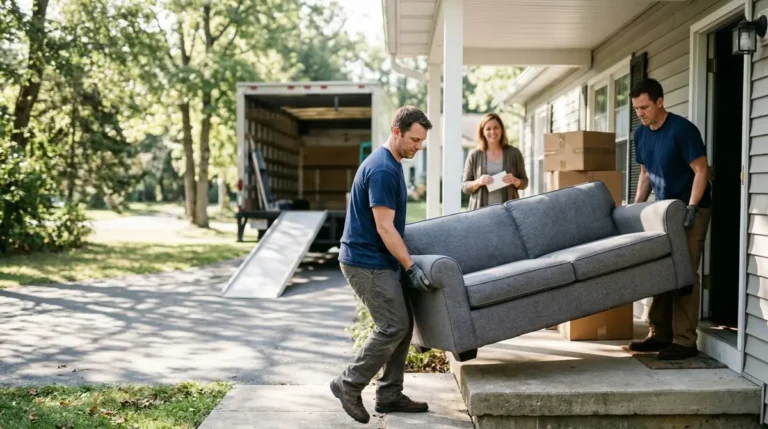
That split catches a lot of tenants off guard, especially in the middle of a move, when boxes get dropped, trucks get loaded by strangers and two leases overlap. This guide walks through each kind of damage, who pays, and what to check before you need to file a claim.
Last reviewed November 2026. This is general information, not insurance, legal or financial advice. Policies differ by company and state, so your own policy wording always controls.
The Quick Answer: Who Pays for Which Damage?
Use this table as a starting point. The right column shows which part of a typical policy responds.
| What happened | Usually covered? | Which coverage responds |
|---|---|---|
| Fire ruins your furniture and clothes | Yes | Personal property |
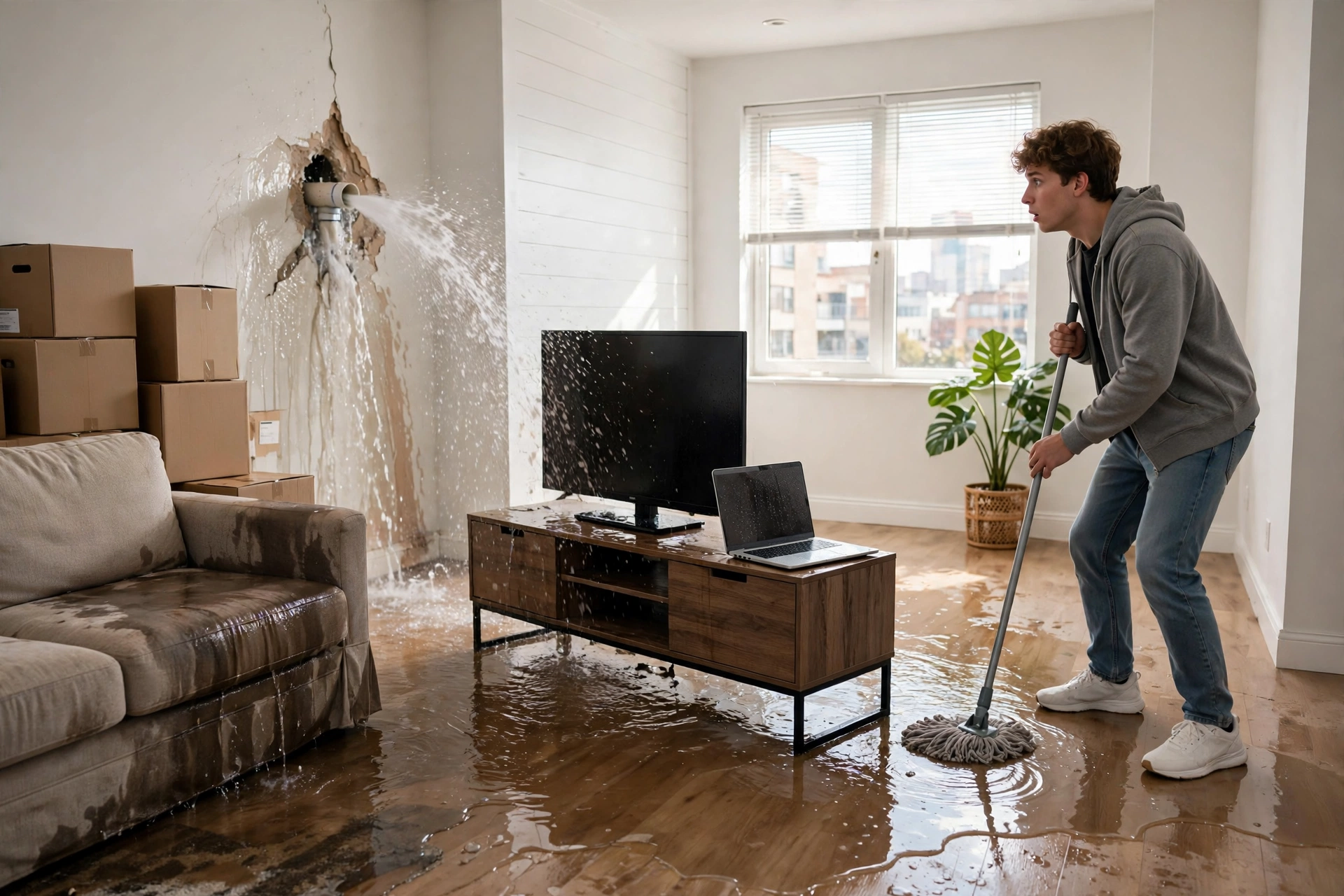
| A pipe bursts and soaks your laptop | Yes, if sudden | Personal property |
| A burglar takes your electronics | Yes | Personal property |
| You leave a pan on the stove and the kitchen is damaged | Often yes | Personal liability |
| Your overflowing tub leaks into the unit below | Often yes | Personal liability |
| A guest’s phone is damaged by something you did | Often yes | Personal liability |
| A river flood soaks the ground floor | No | Separate flood policy |
| Earthquake damage | Usually no | Endorsement or separate policy |
| Bed bugs or rodents | Usually no | Landlord maintenance issue |
| A slow leak you ignored for months | No | Excluded as neglect |
| You drop your own TV | Usually no on basic policies | Depends on add-ons |
| Movers drop your dresser | Not a renters claim | Mover valuation coverage |
| Damage you cause on purpose | No | Excluded |
How a Renters Policy Is Built
Most renters policies have three working parts, and each one answers a different damage question.
Personal property coverage pays for your belongings after a covered loss. Furniture, clothing, electronics and kitchenware all fall here.
Personal liability coverage pays when you are legally responsible for hurting someone or damaging their property. It also pays legal defense costs, up to your limit.
Loss of use coverage, also called additional living expenses, pays for a hotel and extra food costs if a covered loss makes your home unlivable.
The building itself is not on the list. Renters insurance is a policy for the tenant, and the structure belongs to your landlord. If you want a plain definition, the Renters’ insurance entry on Wikipedia describes it as a policy that covers the tenant’s belongings and liability but not the dwelling.
Named perils vs open perils
This detail decides many claims. A named perils policy covers damage only from causes it lists, such as fire, lightning, windstorm, theft, vandalism and certain kinds of water discharge. An open perils policy covers any cause unless it is specifically excluded. Open perils wording is broader, and it is more likely to treat accidents like a spilled liquid or a dropped item as covered. Check your declarations page to see which one you have.
Damage to Your Own Belongings
If a listed event damages your stuff, your insurer pays to repair it or replace it, minus your deductible and up to your limit.
Common covered causes include fire and smoke, lightning, wind and hail, theft and vandalism, and water that suddenly escapes from plumbing or an appliance.
Here is a simple illustration. A pipe bursts inside your wall and ruins a $1,800 TV and a $900 laptop. You have a $500 deductible. If your policy pays replacement cost, the insurer would owe $2,700 minus $500, so $2,200. If it pays actual cash value, the check is smaller because it subtracts depreciation for age and wear. Those numbers are an example, not a quote.
Accidental damage to your own items is where policies split. Many basic named perils policies will not pay if you drop your own phone or spill coffee on your own keyboard. Some insurers offer open perils wording or an accidental damage add-on. Ask before you assume.
Damage to Your Apartment and Landlord’s Property
Does renters insurance cover damage to your landlord’s property? Generally, it does not cover the building, but your liability coverage may pay when you accidentally cause sudden damage to it.
The key word is accidental. Liability coverage is designed for events like these:
- A cooking fire that burns the kitchen cabinets
- A bathtub or washing machine overflow that ruins the floor
- A candle that sets off a fire in the unit
It is not designed for these:
- Normal wear and tear, such as faded paint or worn carpet
- Damage from neglect, such as a long running leak you never reported
- Intentional damage
- Damage a tenant causes through pest problems that build up over time
If you are renting, your landlord’s insurance policy usually protects the owner’s building and interests. It generally does not protect your belongings, and some landlord policies exclude damage caused by tenants. That is one reason many leases require tenants to carry liability coverage.
One more point: liability coverage is not the same as your security deposit. If your landlord deducts repair costs for ordinary move-out damage, a renters policy usually will not reimburse that. A sudden accident that you caused might be a liability claim, but cleaning fees and normal wear are not.
Damage You Cause to Other People’s Property
Liability coverage follows you. If you accidentally damage a friend’s laptop at their home, or your overflowing sink soaks the neighbor’s ceiling below, your liability coverage can pay for the repair and defend you if there is a lawsuit, up to your limit. Most policies have limits starting around $100,000, and you can often raise them.
What it does not cover is damage to vehicles, which fall under auto insurance, and business losses tied to work you do from home.
Roommates are a special case. Standard renters policies usually do not cover a roommate’s belongings unless that person is listed on your policy. If a roommate causes damage, your own policy may not respond. For this reason, roommates generally need their own policies.
Does Renters Insurance Cover Pet Damage?
This question gets a lot of searches, including questions about specific insurers such as USAA, and the honest answer is that it depends on the policy. Sources do not agree because insurers write the wording differently.
What generally holds true:
- If your pet injures someone, liability coverage is the part that may respond, though some insurers exclude certain dog breeds or require disclosure.
- If your pet damages the landlord’s carpet or walls over time, that is often treated as wear, neglect or a pet deposit issue.
- If your pet damages your own belongings, some policies exclude it, while others may cover a sudden accident.
I did not verify a specific carrier’s current wording, including USAA’s. Look for the words “pets,” “animals” and “vermin” in your exclusions section, or call your insurer and ask for the answer in writing.
Does Renters Insurance Cover Water Damage?
Water damage is the most common claim question, and the cause of the water decides the answer.
Usually covered: Water that suddenly discharges from plumbing, a water heater, a dishwasher or a washing machine. Water that enters through a roof damaged by a covered storm. Your belongings are repaired or replaced, and loss of use may pay for a hotel if the unit becomes unlivable.
Usually not covered: Flooding from rain, rivers or surface water. Sewer or drain backup unless you added that endorsement. Slow leaks, seepage and neglect. Mold that grows from a problem not covered by the policy.
Flood coverage is available separately through the National Flood Insurance Program and some private insurers, and renters can buy it. If you live in a flood prone area, it is worth pricing before the rainy season.
A tip many tenants miss: report a leak to your landlord in writing right away. A prompt report helps show the damage was sudden and not neglect, which affects your claim.
Damage Renters Insurance Usually Does Not Cover
Standard policies commonly exclude:
- Floods and earthquakes, unless you add coverage
- Pest damage, including rodents and bed bugs
- Wear and tear and gradual deterioration
- Intentional damage
- The building structure, the roof, and landlord owned appliances
- Vehicles
- A roommate’s belongings if they are not on your policy
- High value items above sub limits, such as jewelry, unless scheduled
High value items need special attention. Many policies cap jewelry, art or collectibles at a low sub limit, so adding a scheduled personal property endorsement is worth a conversation with your agent.
Does Renters Insurance Cover Damage During a Move?
This is the area where most guides stop short, and where moving mistakes get expensive.
The short answer: Your renters insurance may cover belongings damaged during a move, but only if a covered peril causes it. Theft of items from a moving truck, or fire damage, may qualify. Damage from the move itself, such as a dropped box or a dresser that scratches in transit, usually does not.
Here is how it breaks down:
| Moving situation | Does renters insurance help? | What usually applies instead |
|---|---|---|
| Boxes stolen from your parked rental truck | Possibly, as off premises theft | Check your off premises limit |
| Fire damages your loaded truck | Possibly | Check your off premises limit |
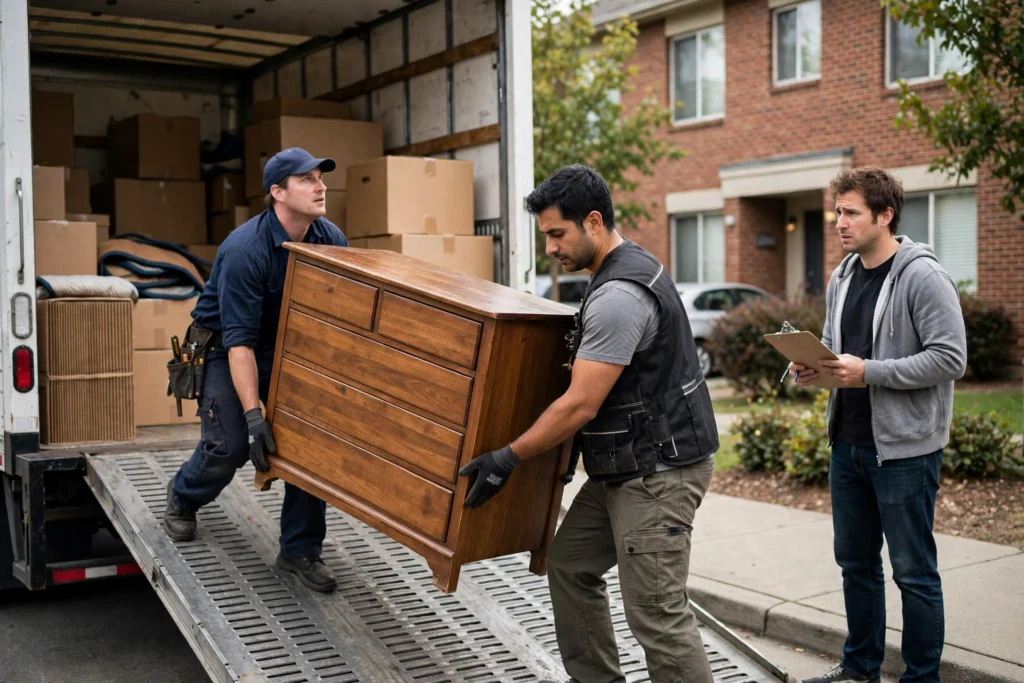
| Professional movers drop or break items | Generally no | Mover valuation coverage |
| You or friends drop your own TV during loading | Generally no | Third party moving insurance |
| Damage to the rental truck | No | Truck rental protection plan |
| Damage to your old apartment while moving out | Only for sudden accidents under liability | Landlord and security deposit |
Off premises limits
Most renters policies cover belongings away from home, but often at a reduced amount. One source citing the Insurance Information Institute says a 10% cap on off premises losses is common. If your personal property limit is $30,000, that could mean $3,000 while your belongings are on a truck. Your declarations page shows your real number.
What movers owe you
If you hire interstate movers, federal rules give you two liability options. Under Full Value Protection, the mover is responsible for the replacement value of lost or damaged goods, and the FMCSA says this applies unless you choose the other option in writing. Under Released Value, the mover pays only 60 cents per pound per article at no extra charge. The FMCSA gives this example: a 10 pound stereo component worth $1,000 would get you $6.00.
That gap is big. If you pick the free option, consider separate moving insurance or a stronger valuation plan. Read more about how to pick a company in our guide on how to hire interstate movers.
Moving yourself or with a container
If you rent a truck or use a portable container, you are carrying most of the risk. Rental company protection plans typically cover the truck, not your boxes. Compare the options in our breakdown of truck and container options, and build the insurance cost into your moving budget calculator so it does not surprise you later.
Do not leave a gap between policies
A move across state lines can create a short stretch where you are between leases. Ask your insurer when your coverage ends at the old address, when the new address starts, and whether your new state changes the price or the terms. Put the policy update on your moving out of state checklist and again in your change of address checklist. The first weeks in a new home carry real risk, so our first 30 days after moving guide is worth keeping nearby.
Cost context also matters. Interstate moves can run into the thousands, so see our moving costs explained page when you decide how much protection is worth paying for.
How to File a Renters Insurance Damage Claim
The order of steps matters because each one supports the next.
- Make it safe. Stop the source of damage if you can, such as shutting off water. Call emergency services for fire or injury.
- Prevent further damage. Keep receipts for emergency repairs or protective steps. Insurers usually expect you to limit the loss.
- Tell your landlord in writing. This creates a record and starts any building repairs.
- Document everything. Take photos and video before you move or clean anything. List each damaged item with its age, cost and condition.
- Contact your insurer. Report the loss quickly, ask what documents they need, and ask how the deductible applies.
- File a police report for theft or vandalism. Keep the report number.
- Keep a claim log. Write down dates, names and what was said.
A home inventory made before anything goes wrong is the best prep. Photograph each room, and keep receipts or serial numbers for expensive items in cloud storage.
Mistakes That Lead to Denied or Reduced Claims
- Assuming the landlord’s policy covers your belongings. It usually does not.
- Waiting to report a leak or loss.
- Not reading the exclusions page.
- Carrying too little coverage, then discovering the limit is smaller than the loss.
- Skipping flood coverage in a flood prone area.
- Picking Released Value from movers without checking other protection.
- Forgetting to update the policy address after a move.
- Not listing a roommate or special items.
Quick Checklist Before You Rent or Move
- Check whether your policy is named perils or open perils.
- Confirm your personal property, liability and off premises limits.
- Ask about replacement cost vs actual cash value.
- Ask about sewer backup, flood and earthquake options.
- Ask about pet and dog breed rules.
- Save a photo and video inventory.
- Decide on mover valuation or moving insurance before moving day.
- Update your policy for your new address and state.
Cost is usually modest compared with the risk. One 2026 insurance comparison site lists the national average at about $22 per month for $30,000 in personal property coverage and $100,000 in liability, but prices vary widely by city, coverage and carrier.
FAQ
Does renters insurance cover damage I cause to my apartment?
Sometimes. If you accidentally cause sudden damage, like a kitchen fire or tub overflow, your liability coverage may pay. It does not cover intentional damage, neglect or normal wear and tear.
Does renters insurance cover damage to property that isn’t mine?
Yes, often. Personal liability coverage can pay when you are legally responsible for damaging a neighbor’s or guest’s property, up to your limit.
Does renters insurance cover liability for injuries and damage?
Yes. Liability can cover bodily injury and property damage you are responsible for, along with legal defense costs.
Does renters insurance cover pet damage?
It depends on the insurer. Pet related liability may be covered, but many pet damage claims run into exclusions or deposit rules. Check your policy wording, since I could not verify every carrier.
Does renters insurance cover a dropped TV or phone?
Usually not on a basic named perils policy, because dropping your own item is not a listed peril. Some open perils policies or add-ons may cover it.
Does renters insurance cover items damaged by movers?
Generally no. Movers are responsible under their own valuation coverage, which for interstate moves means Full Value Protection or Released Value.
Does renters insurance cover mold?
Only if the mold results from a covered event, such as a sudden pipe burst. Mold from long term moisture or neglect is typically excluded.
Do I get paid if my apartment becomes unlivable?
If a covered loss makes it unlivable, loss of use coverage can pay for temporary housing and added living costs, up to the policy limit.
Is renters insurance required?
No state requires it for tenants, but many landlords require it in the lease.